water-heater-installation-singapore
Choosing a water heater in Singapore is not just a matter of picking a brand. The type of heater you install determines the electrical circuit require
- AIM Global Engineering Team
- 5 min read
Choosing a water heater in Singapore is not just a matter of picking a brand. The type of heater you install determines the electrical circuit required, whether a PUB-licensed plumber must be engaged, how much hot water you get, and how much you pay every month in electricity. Get it wrong and you either run out of hot water mid-shower or overload a circuit that was never designed for the load.
This guide compares storage and instant heaters, explains the HDB power limits that catch many homeowners out, and sets out the legal requirements for installation in Singapore.
Storage vs Instant Water Heater: The Core Difference
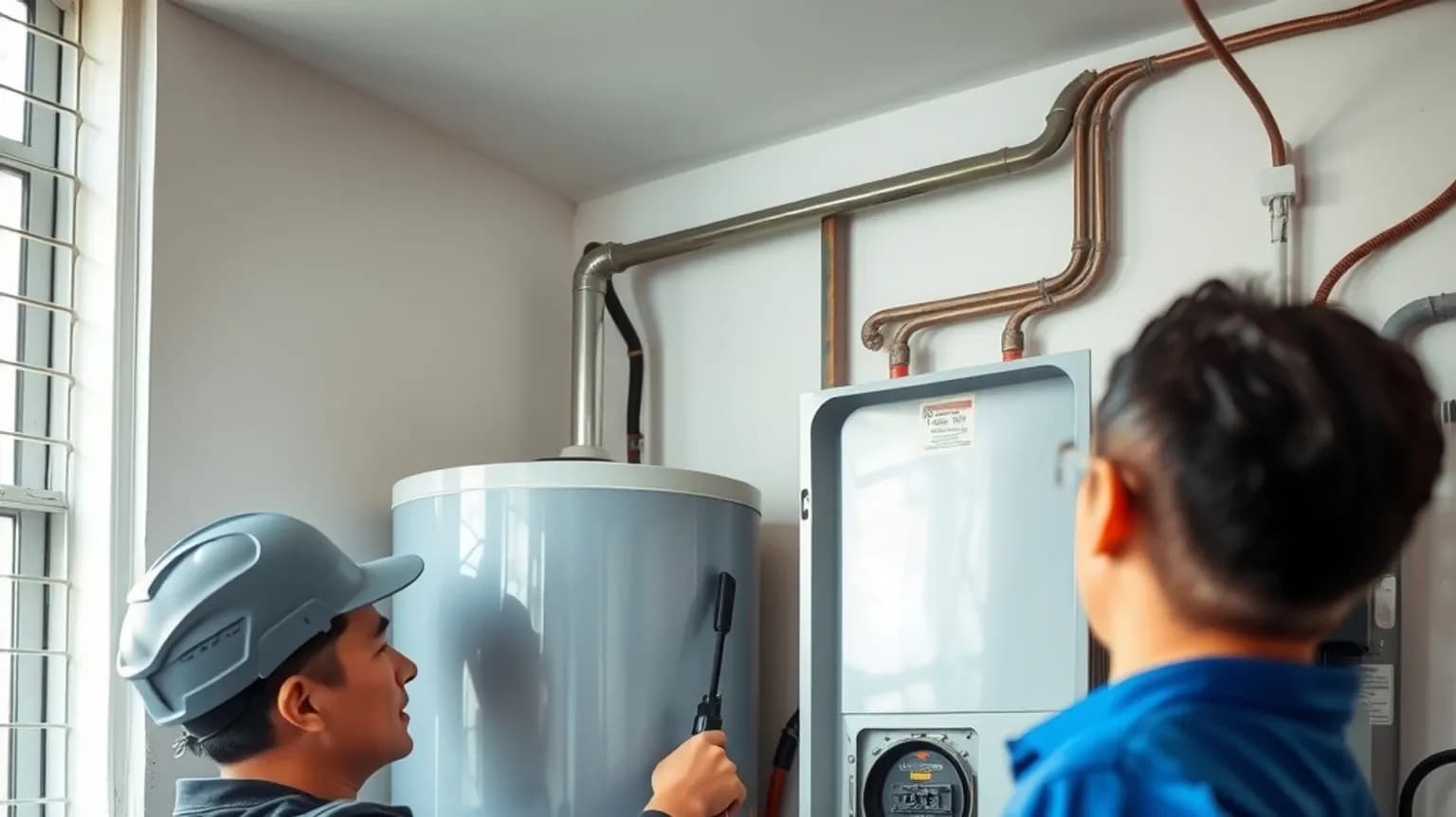
A storage heater keeps a tank of hot water ready at all times. It can supply multiple outlets simultaneously — a shower, a basin and a kitchen tap — which makes it the practical choice for larger households. The trade-off is that the tank must be heated continuously, so it uses more electricity, and it takes up space, usually mounted on a bathroom ceiling or in a service yard.
An instant heater heats water only as it flows, so there is no tank and no standing heat loss. It is compact, cheaper to buy and quick to install. The limitation is that it serves essentially one outlet at a time, and the heating element draws a high current while in use.
HDB Power Limits You Must Respect
This is where many installations go wrong. In an HDB flat with a 30A main switch, an individual instant heater should not exceed 3kW, while a storage heater should not exceed 1.5kW.3 Exceeding these limits on a shared or undersized supply risks nuisance tripping at best and overheating at worst.
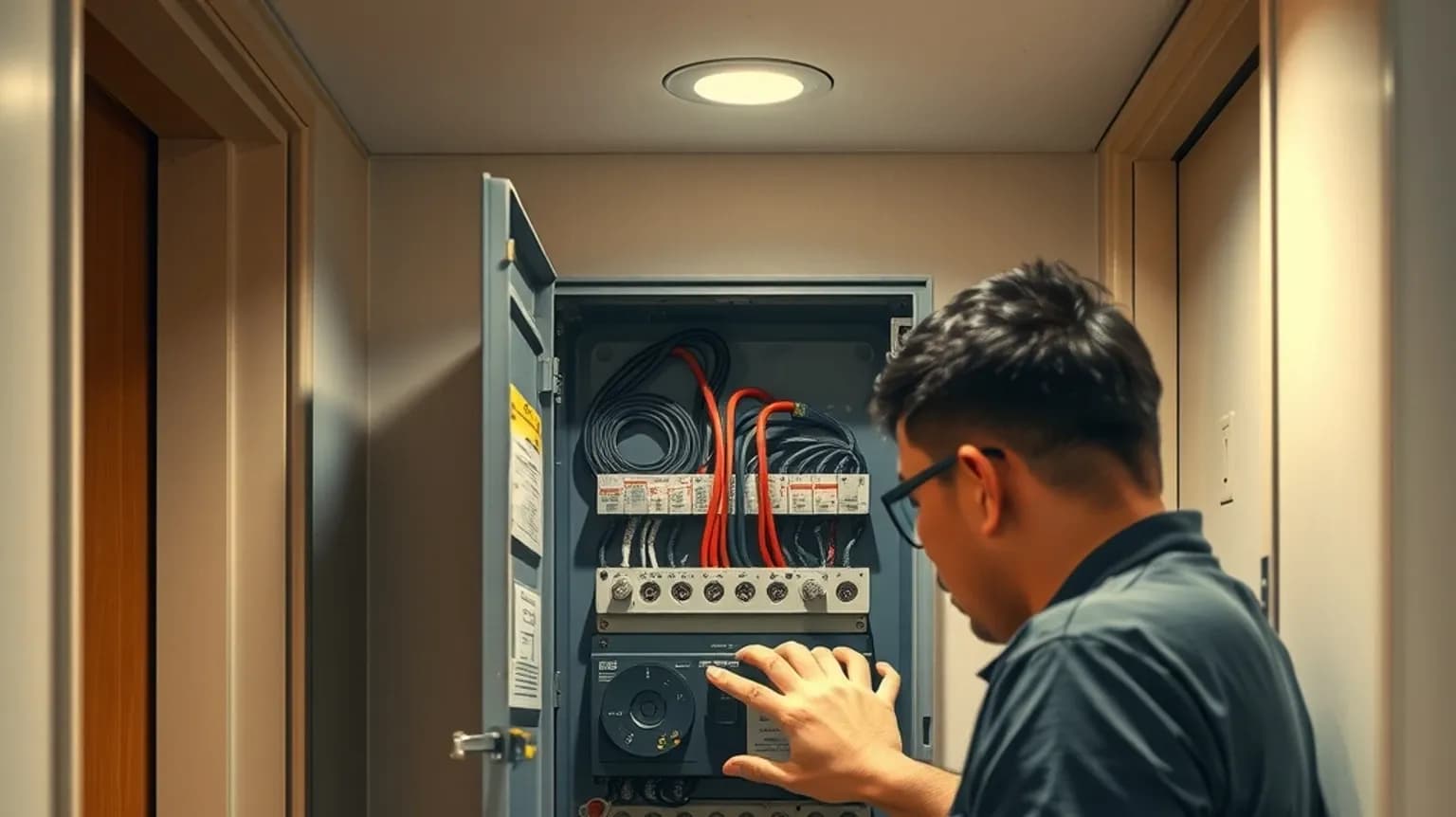
The circuit, cable, breaker and double-pole switch must match the heater's nameplate rating and installation manual.3 Standard Singapore practice for an instant heater is permanent wiring from a 20A double-pole isolator switch outside the bathroom using 4.0mm² cable.3 A storage heater also needs a dedicated circuit with RCCB protection and proper earthing.3
If your flat does not have a suitable dedicated circuit, the cost of installing one — cable, MCB, isolator and labour — is typically in the region of S$100 to S$300, with an RCCB (if not already present) adding roughly S$60 to S$120.3
Licensing: Who Is Allowed to Install What
Electric storage water heater installation and replacement is regulated water service work, which by law requires a PUB-licensed plumber.3 This is not a grey area — the distinction between storage and instant heaters is written into PUB's own rules.3
Separately, any new or modified electrical wiring must be carried out by a Licensed Electrical Worker (LEW).3 In practice, a storage heater installation involves both a licensed plumber and a licensed electrician. Using a single contractor who claims to handle 'everything' without these licences leaves you exposed if something fails or your insurer asks questions.
Do I Need a Pressure Relief Valve?
Yes — a storage heater installation requires specified valves to prevent backflow contaminating the public supply, and a drainage path for the pressure relief discharge.3 As water heats, it expands, and without a relief path the tank pressure can rise to a dangerous level. A properly installed system includes the correct valves and a discharge route that will not flood your ceiling or the unit below.
Which Type Suits Your Household?
| Consideration | Storage Heater | Instant Heater |
|---|---|---|
| Household size | Families, multiple bathrooms | Singles, couples, one bathroom |
| Simultaneous outlets | Yes | Generally one at a time |
| Space required | Ceiling or service yard tank | Compact, wall-mounted |
| HDB power limit | ≤1.5kW on 30A supply | ≤3kW on 30A supply |
| Licensing | PUB-licensed plumber required | Electrical work by LEW |
| Maintenance | Anode rod, descaling | Minimal |
How Long Does Installation Take?
A typical water heater installation in an HDB flat takes around 1–2 hours when the existing plumbing and electrical points are suitable.3 A heat pump system takes longer, from half a day to a full day.3 If a new circuit or pipe run is needed, allow additional time. Drilling and noisy work are also subject to HDB's permitted renovation hours, so schedule accordingly.
Signs Your Existing Heater Needs Attention
- The circuit breaker trips when the heater is switched on.
- Hot water runs out much faster than it used to.
- Water from the heater is discoloured or smells metallic.
- The tank body shows rust or water stains beneath it.
- The heater makes popping or rumbling sounds while heating (scale build-up).
- The pressure relief valve is discharging continuously.
Any of these warrants a professional check. A rusting storage tank can fail suddenly and cause significant water damage, so do not wait for it to burst.
Frequently Asked Questions
Can I install an instant heater in an HDB flat?
Yes, instant heaters are allowed in HDB flats, provided the unit's rating is within the supply limit and the wiring is done correctly by a Licensed Electrical Worker.3
Is a storage heater legal in HDB?
Yes, but it must comply with the power limit and must be installed by a PUB-licensed plumber. The specified valves and pressure relief discharge path are mandatory.
Can I replace a heater myself?
No. Storage heater work is regulated and requires a PUB-licensed plumber. The electrical side requires an LEW. DIY replacement risks shock, flooding and insurance invalidation.
Why does my heater trip the RCCB?
Usually a heating element failure or moisture ingress into the element or wiring. It should be tested by a qualified person — resetting it repeatedly will not solve the fault.
For water heater installation, replacement or a safety check in Singapore, contact AIM Global Engineering PTE LTD at +65 9081 8494. Our team handles both the plumbing and electrical sides, and we are BCA and ACRA registered (UEN 202211612M).
Featured Services