water-leakage-repair-singapore
Few household problems are as frustrating as water appearing where it should not. A stain spreading across the ceiling, a damp patch behind a wardrobe
- AIM Global Engineering Team
- 6 min read
Few household problems are as frustrating as water appearing where it should not. A stain spreading across the ceiling, a damp patch behind a wardrobe, or a musty smell that returns no matter how often you clean — these are signs of a leak that is often not where it appears to be.
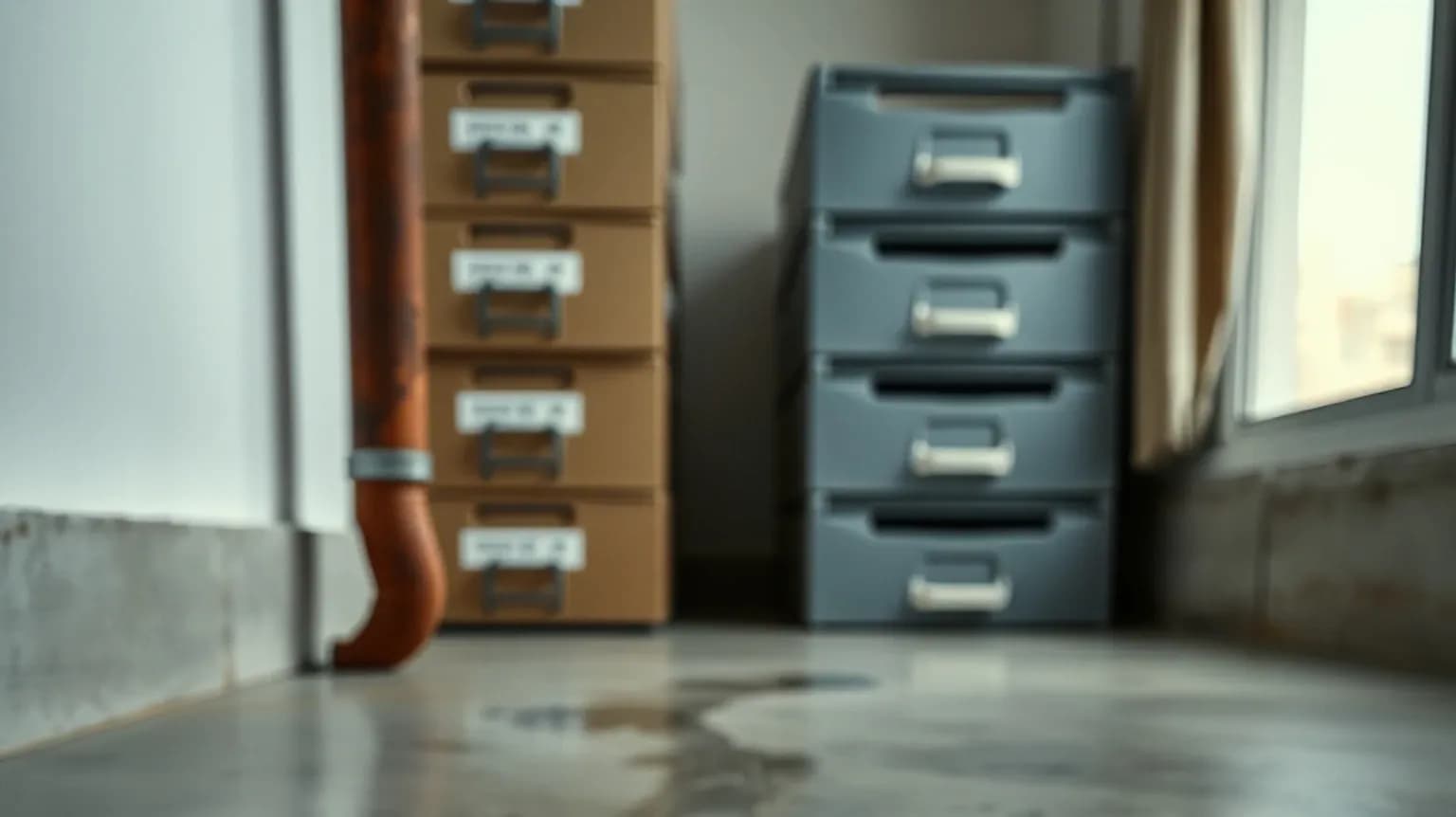
In Singapore apartments, water travels along floor slabs, pipe sleeves and reinforcement before emerging on a surface. The stain on your ceiling is rarely directly below the source. This is why hacking at the visible damage usually wastes money and damages sound finishes without solving the problem.
This guide explains the common causes of leakage and seepage, how leaks are properly traced, and what to do when the source is in the unit above.
The Difference Between a Leak and Seepage
A leak generally refers to water escaping from a pipe, fitting or tank under pressure. It tends to be continuous or recurring, and the volume can be significant.
Seepage usually refers to water moving slowly through a building element — a floor slab, a wall, or a failed waterproofing membrane. It is often intermittent, appearing after showers or during rainy periods, and may be small in volume but persistent enough to cause long-term damage.
Both require the same first step: identify the actual source before repairing the visible symptom.
Common Causes in Singapore Apartments
Bathroom Floor Waste and Trap Seals
A failed seal around the floor waste is one of the most common causes of water appearing in the unit below. Water seeps under the floor finish and through the slab. It often appears as a stain on the ceiling below the bathroom, sometimes some distance from the waste outlet.
Concealed Pipe Leaks
Supply pipes buried in walls or floors can develop pinhole leaks, especially in older flats with galvanised or ageing copper pipework. The water travels along the pipe route and emerges wherever it finds a path. Damp patches, bubbling paint and musty smells are typical signs.
Failed Waterproofing
Wet areas rely on a waterproofing membrane beneath the tiles. If the membrane fails — through age, movement, or damage during renovation — water can pass through the slab. This is more complex to repair because the membrane itself must be restored, not just the surface.
Pipe Penetrations Through Slabs
Where pipes pass through a floor slab, the seal around the penetration can degrade. Water follows the pipe and appears on the ceiling below, often in a concentrated drip.
Condensation Mistaken for a Leak
Not all dampness is a leak. Cold water pipes in humid conditions can sweat, and poor ventilation in bathrooms can leave persistent moisture. Correct diagnosis matters — treating condensation as a leak leads to unnecessary hacking.
How Leaks Are Traced Without Unnecessary Hacking
Proper leak detection is a process of elimination:
- Isolate the supply. Turn off sections of the supply and observe whether the dampness stops. This distinguishes a supply-side leak from a drainage or waterproofing issue.
- Monitor the meter. With all taps closed, a moving water meter indicates a supply leak.
- Controlled testing. Run water to specific outlets — shower, basin, floor trap — and observe whether the dampness worsens. Dye testing at floor wastes can confirm a failed seal.
- Moisture mapping. Take readings across the affected area to map the extent and narrow the source.
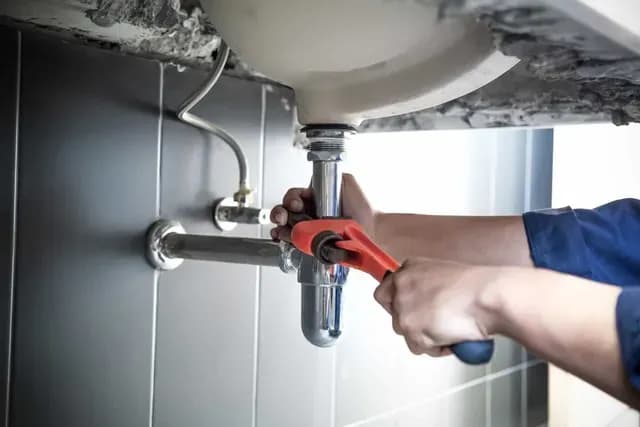
- Visual inspection where accessible. Check trap seals, visible pipework and the condition of silicone and grout.
Only when the source is confirmed should any opening be made. A professional will explain the finding and quote the repair separately from the diagnosis.
When the Leak Is in the Unit Above
This is the most delicate part of leak repair in Singapore. If the source is in the neighbour's bathroom floor or pipework, the repair must happen in their unit. The first step is to establish the likely source through testing, then raise the matter with the neighbour, the town council (for HDB flats) or the condominium management.
A clear diagnosis helps the conversation enormously. Saying 'water is coming through my ceiling' invites disagreement; saying 'testing indicates the leak is from the floor waste in the bathroom above' gives everyone something concrete to act on. A written report with findings is useful for HDB or management mediation.
Repair Costs in Singapore
Visible leak repairs typically start from around S$80, while concealed pipe leak detection starts from S$150.1 The repair itself varies widely. A simple tap, hose or trap leak may be S$90 to S$220, while concealed pipe repair involving hacking and reinstatement can range from S$350 to S$1,200 or more depending on tiles, pipe route and reinstatement.1
Floor waste resealing is usually at the lower end of the range. Failed waterproofing remediation is at the higher end because the affected area must be opened, the membrane restored, and the finish reinstated.
Why Painting Over Damp Never Works
Paint applied over a damp patch or water stain will blister, peel or discolour within weeks. Even a stain-blocking primer cannot compensate for ongoing moisture. The leak must be repaired and the surface allowed to dry before any cosmetic work is attempted. This is why leak repair must come before repainting, not after.
Frequently Asked Questions
How do I know if the leak is from my pipe or my neighbour's?
Isolation testing is the most reliable way. If the dampness stops when your supply is isolated, the leak is on your side. If it continues or is linked to the neighbour's usage, the source is likely above. A professional can confirm this with controlled tests.
Will the leak come back after repair?
Not if the source has been correctly identified and repaired. This is why diagnosis matters more than speed. A repair that treats the visible symptom without finding the cause will fail.
Can a leaking pipe be repaired without replacing the whole run?
Often yes. If the surrounding pipework is sound, a targeted repair of the failed section or joint is sufficient and far more economical than a full replacement.
How long does leak detection take?
Typically 1 to 2 hours depending on complexity. Simple repairs may be completed the same day; concealed pipe repairs involving hacking and reinstatement usually take 1 to 3 days.
For water leakage repair, concealed leak detection and seepage diagnosis in Singapore, contact AIM Global Engineering PTE LTD at +65 9081 8494. We test before we hack, and provide clear findings for HDB or management discussions. BCA and ACRA registered (UEN 202211612M).
Featured Services